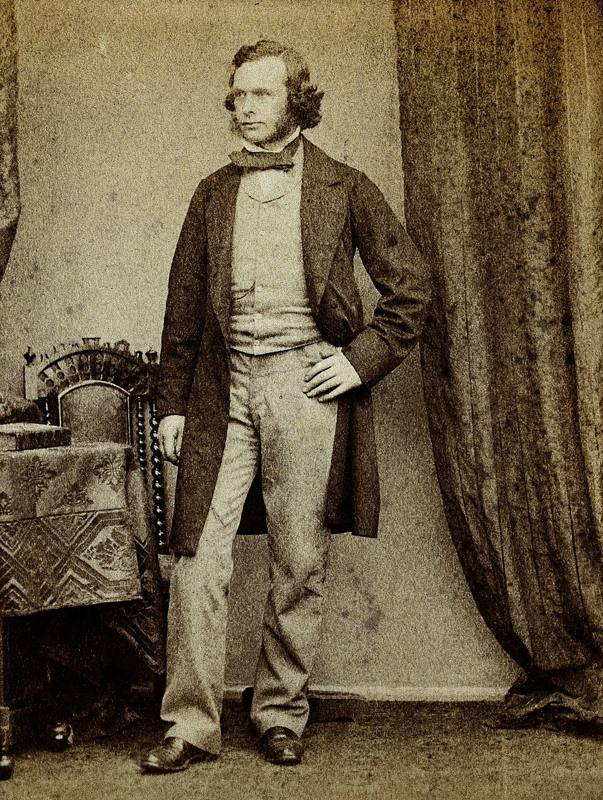
Joseph ListerWellcome Collection, 19th century. CC BY 4.0. Wellcome Collection, via Wikimedia Commons. Image source
Joseph Lister makes surgery safer
1865 to 1867 · Joseph Lister (1827 to 1912)
In the 1860s many patients survived surgery only to die of infection afterwards. Wounds often filled with pus, and many people thought this was normal.
Joseph Lister, a surgeon at the Glasgow Royal Infirmary, read Louis Pasteur's work showing that tiny living organisms caused fermentation and decay. Lister wondered if the same kind of germs were getting into wounds.
In 1865 he treated a boy whose leg had been badly broken, with the bone through the skin. Injuries like that often led to infection and amputation. Lister dressed the wound with carbolic acid, a chemical used to treat sewage. The leg healed.
Lister went on to clean instruments, dressings and his hands with carbolic acid, and in 1867 he published his results in The Lancet. Deaths after his operations fell.
Modern sterile technique has moved far beyond carbolic acid, but the idea is his: keep germs away from wounds. Every time a nurse uses aseptic technique for a dressing change, Lister's idea is at work.
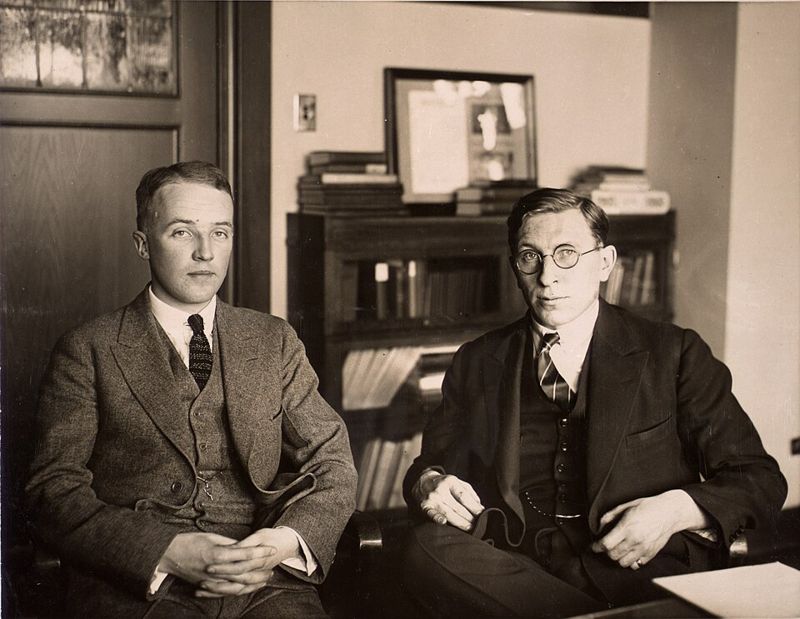
Charles Best and Frederick Banting, about 1924Unknown photographer, about 1924. Public domain. Wikimedia Commons. Image source
Insulin is discovered in Toronto
1921 to 1923 · Frederick Banting (1891 to 1941), Charles Best (1899 to 1978), J.J.R. Macleod and James Collip
Before 1922, a child diagnosed with type 1 diabetes usually lived only months. Strict starvation diets bought a little time.
In 1921 Frederick Banting, a young surgeon from Ontario, began work in J.J.R. Macleod's lab at the University of Toronto with student assistant Charles Best. They made extracts from the pancreas and showed they could lower blood sugar in diabetic dogs. Biochemist James Collip then helped purify the extract.
In January 1922, 14-year-old Leonard Thompson at Toronto General Hospital became the first person to receive insulin for diabetes. After a purer dose, his blood sugar dropped and he improved.
In 1923 Banting and Macleod won the Nobel Prize. Banting shared his prize money with Best, and Macleod shared his with Collip. The team sold the patent to the University of Toronto for a token sum so insulin could be made widely.
Today nurses give insulin every day and teach clients how to manage it, thanks to a Toronto lab.